Fiji's tropical climate offers year-round warmth, but knowing the nuances of its seasons is key to planning the perfect backpacking adventure. Timing your visit can mean the difference between sun-drenched island hopping and navigating humid downpours, especially when you're exploring on a budget. Let's dive into Fiji's weather patterns to help you choose the best time for your unforgettable trip.



Fiji’s Seasons (Quick Version)
Fiji experiences two main seasons: a cooler, drier period and a warmer, wetter period. However, for backpackers, it's helpful to break this down further to understand the subtle shifts in weather and how they might impact your travel plans.
- Cool & Dry Season: This is Fiji's peak tourist season, offering pleasant temperatures, lower humidity, and minimal rainfall perfect for outdoor activities and island exploration.
- Warm & Humid Season: A transitional period where temperatures and humidity begin to rise, bringing occasional showers but still plenty of sunshine before the peak wet season.
- Hot & Wet Season: Characterised by high temperatures, heavy rainfall, increased humidity, and the potential for tropical cyclones, though clear days are still common.
Fiji month by month, at a glance
Nadi, on the dry western side of Viti Levu: average daytime high, and each month's rain against the wettest month.
Western Fiji (Nadi)
Eastern Fiji (Suva)
Our Fiji trips
Here are the 2 trips we run in Fiji.

Month-By-Month: Fiji Weather
To truly understand Fiji's climate, a month-by-month breakdown is essential. This detailed guide will help you pinpoint the ideal time for your specific travel style, whether you're chasing sunshine or don't mind a bit of tropical rain.
Fiji Weather in January
Hot, wet, highs around 31°C
January is well into Fiji's hot and wet season. Expect high humidity and daytime highs around 31°C in Nadi. Heavy, short-lived downpours are common, especially in the afternoons, though there are still plenty of sunny periods. Sea temperatures are warm, ideal for swimming and diving, but visibility might be reduced by runoff. It's generally less crowded in popular spots like the Mamanuca and Yasawa Islands.
While the western side around Nadi and the Mamanucas sees significant rain, the eastern side, particularly around Suva and Pacific Harbour, experiences even higher rainfall totals. Consider the drier western islands for slightly better conditions, but be prepared for rain anywhere.
Fiji Weather in February
Hot, wet, highs around 31°C
February continues the trend of hot and wet weather, with daytime highs around 31°C and very high humidity. It's one of the wettest months, with a higher risk of tropical cyclones. Despite the rain, backpackers can still enjoy clear mornings and warm ocean waters. Prices for accommodation and flights are typically lower, offering budget-friendly opportunities in places like Denarau.
The eastern Viti Levu coast, including Suva, remains considerably wetter than the western side. If you're planning to explore the interior rainforests, expect muddy trails and intense humidity. The Mamanucas and Yasawas, while still wet, often offer slightly more sunshine.
Fiji Weather in March
Hot, wet, highs around 31°C
March is another hot and wet month, with daytime highs around 31°C and high humidity. Rainfall is still substantial, and the cyclone risk remains. However, as the month progresses, there's a gradual shift towards slightly less intense rain. The warm sea is perfect for water activities, and the lush, green landscapes are at their most vibrant. Crowds are minimal, especially on smaller islands.
The capital city of Suva and the surrounding eastern regions typically receive the highest rainfall in March, making inland exploration challenging. The western side, including Nadi and the outer islands, generally experiences slightly fewer rainy days, making it a marginally better choice for beach activities.
Fiji Weather in April
Warm, humid, highs around 30°C
April marks a transition as the wet season begins to recede, with daytime highs around 30°C. Humidity levels start to drop, and while there are still occasional heavy showers, they become less frequent and shorter-lived. The risk of cyclones significantly decreases. This is a good shoulder month, offering pleasant weather for exploring Nadi and the Mamanucas before the peak tourist rush, with fewer crowds.
The contrast between the wet eastern and drier western sides becomes more noticeable. While Suva still sees considerable rain, the western regions like the Yasawas start to enjoy longer dry spells and clearer skies, making island-hopping more appealing.
Fiji Weather in May
Excellent, dry, highs around 29°C
May ushers in the start of Fiji's dry season, with excellent weather conditions. Daytime highs are a comfortable 29°C, humidity is much lower, and rainfall is significantly reduced. Skies are often clear and sunny, making it ideal for all outdoor activities, from hiking in the Nausori Highlands to diving in the Mamanucas. It's a fantastic time for backpacking before the major crowds arrive.
Both eastern and western Fiji enjoy significantly drier conditions in May. The western islands, including the Yasawas, become particularly inviting with calm seas and excellent visibility for snorkelling and diving. Suva, while still receiving more rain than Nadi, experiences a noticeable drop in precipitation.
Fiji Weather in June
Ideal, dry, highs around 28°C
June is one of the most ideal months to visit Fiji, with daytime highs around 28°C and cooler nights. The weather is consistently dry, sunny, and comfortable, with low humidity. This is prime time for exploring the outer islands, enjoying pristine beaches, and engaging in water sports in places like Denarau and the Yasawas. Expect calm seas and excellent visibility for diving and snorkelling.
The entire country benefits from the dry season, but the western side of Viti Levu and the Mamanuca and Yasawa Islands are particularly glorious with minimal rainfall. Even the eastern side near Suva experiences its driest period, making it more pleasant for exploring the capital's markets and cultural sites.
Fiji Weather in July
Perfect, dry, highs around 28°C
July offers some of the best weather Fiji has to offer, with daytime highs around 28°C and nights down to about 19°C. It's consistently dry, sunny, and relatively cool, making it perfect for active backpackers. This is peak season, so expect more fellow travellers, especially in popular spots like the Mamanucas. Ideal for hiking, surfing, diving, and simply relaxing on the beach. Book accommodation and tours in advance.
Across Fiji, July brings fantastic weather. While the western side remains slightly drier, the eastern side around Suva also enjoys pleasant, less humid conditions. Sea conditions are generally calm and clear throughout the islands, perfect for inter-island travel and water-based excursions.
Fiji Weather in August
Excellent, dry, highs around 28°C
August continues the fantastic dry season weather, with daytime highs around 28°C and very little rainfall. Expect abundant sunshine, clear blue skies, and comfortable humidity. It's a popular month for families and international tourists, so places like Denarau and the resorts in the Mamanucas will be bustling. It's an excellent time for all activities, from exploring Nadi to island hopping.
The dry season conditions prevail nationwide. The western side, encompassing Nadi and the Yasawa Islands, experiences very low rainfall, ensuring sunny days for beach activities. Even the wetter eastern coast around Suva enjoys relatively dry and pleasant weather, making it suitable for exploring its attractions.
Fiji Weather in September
Great, warm, highs around 29°C
September maintains the dry season's charm, with daytime highs rising slightly to a pleasant 29°C. Rainfall remains low, and sunshine is plentiful, making it a superb month for backpacking. The crowds from July and August start to thin out, offering a slightly more relaxed atmosphere in places like the Yasawa Islands. Sea conditions are excellent for diving and snorkelling, with great visibility.
Western Fiji, including the Mamanucas, continues to be very dry and sunny, perfect for island adventures. The eastern side, while still drier than the wet season, might see a slight increase in sporadic showers towards the end of the month, but generally remains very enjoyable.
Fiji Weather in October
Warm, sunny, highs around 30°C
October is the tail end of the dry season, with daytime highs around 30°C. It's still predominantly sunny and dry, but humidity levels begin to subtly increase. Rainfall is minimal but might see a slight uptick towards the month's end. It's a fantastic shoulder month, offering great weather and fewer crowds than the peak dry season, ideal for exploring Viti Levu and the outer islands.
The western side around Nadi and the Yasawas remains largely dry and sunny. The eastern side of Viti Levu around Suva also enjoys good weather, though it typically receives slightly more rain than the western coast, marking the subtle transition towards the wetter months.
Fiji Weather in November
Warm, humid, highs around 31°C
November marks the official start of Fiji's wet season, with daytime highs around 31°C and increasing humidity. While there are still many sunny days, expect more frequent, short, heavy showers, often in the afternoons. The risk of tropical cyclones begins to rise. It's a good month for budget travellers as prices are lower, and popular spots like the Mamanuca Islands are less crowded.
The western side, including Nadi, sees a significant increase in rainfall compared to the dry season, but generally less than the eastern side. Suva and the eastern coast of Viti Levu will experience heavier and more consistent downpours, making coastal activities there more susceptible to weather changes.
Fiji Weather in December
Hot, humid, highs around 31°C
December fully embraces the hot and wet season, with daytime highs around 31°C and high humidity. Heavy, tropical downpours are common, often interspersed with periods of bright sunshine. The cyclone season is underway. Despite the rain, the sea remains warm for swimming and diving. It's Christmas and New Year, so popular resorts in Denarau and the Mamanucas can get busy and more expensive.
Rainfall is generally high across Fiji, but the eastern side of Viti Levu, around Suva, continues to be significantly wetter. The western islands like the Yasawas, while still wet, might offer slightly more manageable rain patterns, making them a better choice for those seeking drier pockets.
Regional Weather Differences
While Fiji is a relatively small nation, its geography creates noticeable differences in weather patterns across its islands. Understanding these regional variations can help you pick the perfect destination for your backpacking style, ensuring you're in the right place at the right time.
- Western Viti Levu & Outer Islands (Nadi, Denarau, Mamanucas, Yasawas): This leeward side is generally drier and sunnier, especially during the dry season, making it ideal for beach holidays and island hopping.
- Eastern Viti Levu (Suva, Pacific Harbour): This windward side is significantly wetter and more humid year-round, experiencing higher rainfall totals, particularly during the wet season.
- Northern Islands (Vanua Levu, Taveuni): These islands experience a climate similar to Eastern Viti Levu, with higher rainfall and lush vegetation, though still offering plenty of sunshine.
Best Time to Visit Fiji
For backpackers seeking the quintessential Fiji experience with maximum sunshine and minimal rain, the absolute best time to visit is during the dry season, from May to October. During these months, you'll enjoy comfortable temperatures, low humidity, and calm, clear waters perfect for all activities. If you're on a tighter budget or prefer fewer crowds, the shoulder months of May and October offer a fantastic balance of great weather and better value.
Which Trip, and When?
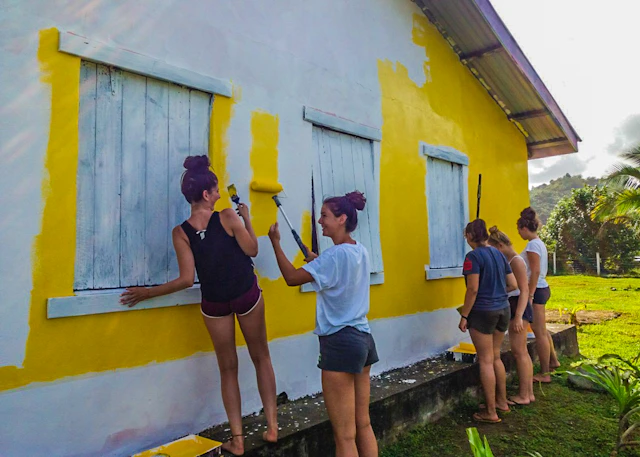
Our Fiji trips are volunteering placements, both on the Coral Coast of Viti Levu, the south-western shore between Nadi and Suva: Volunteer Kindergarten, teaching young children, and Construction & Renovation, building and repairing facilities for the local community. Each runs from one to twelve weeks.
The Coral Coast sits between the dry west and the wet east, so it is sunnier than Suva but wetter than Nadi. May to October is the easiest time for outdoor work: dry, breezy and a few degrees cooler. From November to April it is hotter, with heavy showers and a chance of cyclones, and placements carry on through it.
- See all our Fiji placements.
Ready to see Fiji for yourself? Let's go!
We run 2 trips in Fiji — and 30 more countries besides. Your next adventure is waiting.